Physiology One Home

Category

Metabolism & Nutrition

12 articles

180 Liters a Day: The Quiet Chemistry Set Working Behind Your Belly Button

180 Liters a Day: The Quiet Chemistry Set Working Behind Your Belly Button

Your kidneys filter roughly 180 liters of fluid daily and reclaim over 99% of it, fine-tuning blood chemistry with millimolar precision. Understanding nephron physiology explains why the American salt habit is quietly fueling a national epidemic of hypertension and chronic kidney disease.
Fed but Fading: The Paradoxical Physiology of Blood Sugar Crashes After High-Carbohydrate Meals

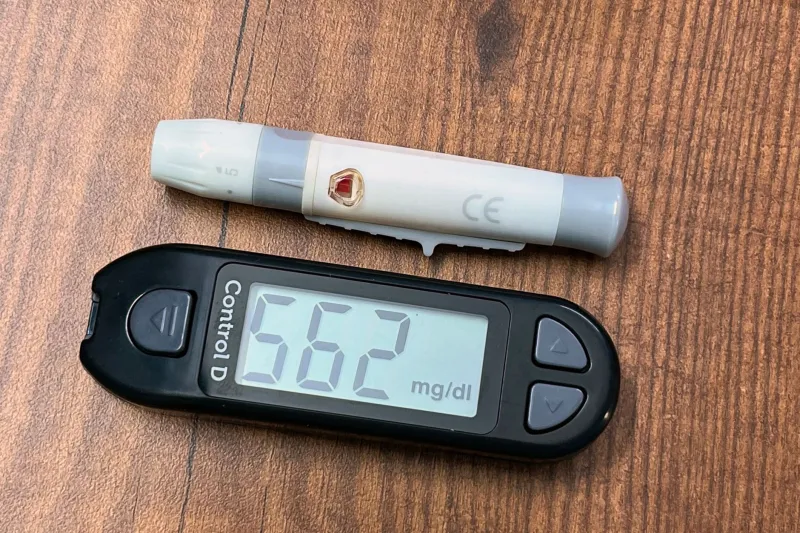
Fed but Fading: The Paradoxical Physiology of Blood Sugar Crashes After High-Carbohydrate Meals

Eating more carbohydrates should logically translate into more energy — yet for millions of Americans, a high-carb meal is reliably followed by fatigue, brain fog, and renewed hunger within hours. The explanation lies not in caloric quantity but in the intricate hormonal and cellular machinery governing glucose absorption, insulin secretion, and counter-regulatory signaling. Understanding this machinery reveals why modern dietary patterns have quietly destabilized one of the body's most fundamen

Neither Sitting Nor Standing: The Biomechanical Truth About Static Posture and What Your Body Actually Demands

Neither Sitting Nor Standing: The Biomechanical Truth About Static Posture and What Your Body Actually Demands

Standing desks have been marketed as the antidote to the modern sedentary lifestyle, but the physiology tells a more complicated story. Prolonged standing generates its own cascade of musculoskeletal and cardiovascular stressors that rival those of extended sitting. The real problem, as emerging research consistently shows, is not which position you choose — it is staying in any single position for too long.

Red Faces and Rapid Pulses: The Organ-by-Organ Physiology of Alcohol Metabolism

Red Faces and Rapid Pulses: The Organ-by-Organ Physiology of Alcohol Metabolism

From the first sip to the final flush, alcohol triggers a cascade of biochemical events that unfold differently across individuals depending on genetic makeup and enzyme activity. This article traces the physiological journey of ethanol through the stomach, liver, and cardiovascular system—explaining why some people turn crimson after a single drink while others show no visible reaction at all. Understanding the mechanisms behind alcohol metabolism reveals far more than social curiosity; it illu

Tissue Under Pressure: The Cellular Mechanics of What Prolonged Sitting Does to Your Spine, Hips, and Connective Tissue

Tissue Under Pressure: The Cellular Mechanics of What Prolonged Sitting Does to Your Spine, Hips, and Connective Tissue

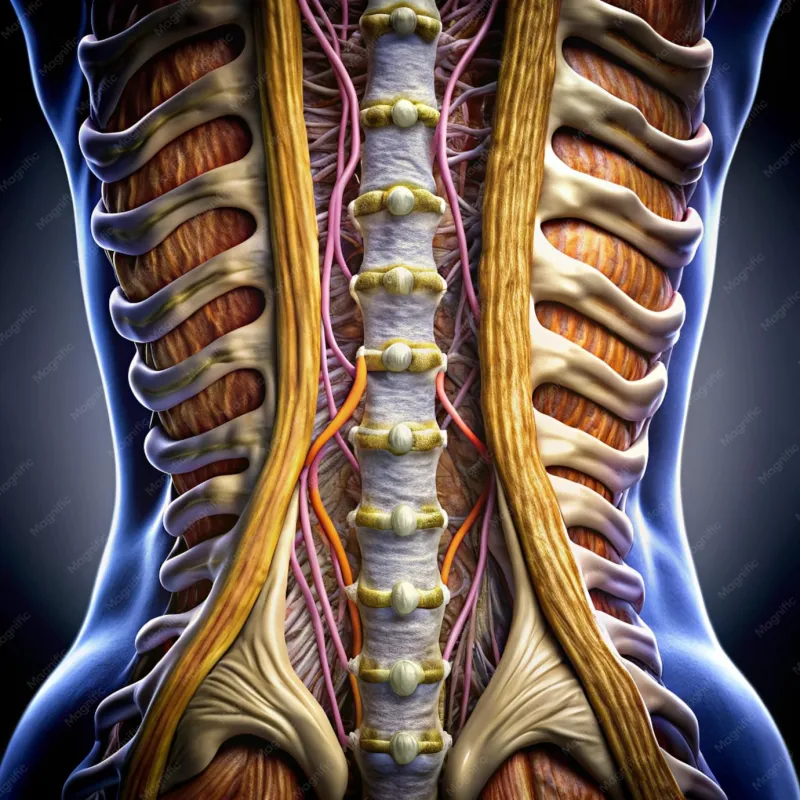
Sitting for hours each day is not merely a lifestyle inconvenience—it initiates measurable, structural changes in fascia, intervertebral discs, and muscle fiber architecture that persist long after you stand up. This article moves past surface-level warnings to examine the precise tissue-level mechanisms driving postural deformation in the modern sedentary body. Understanding what actually happens at the cellular level may change how you think about every hour you spend in a chair.

Adenosine, Cortisol, and the Clock: The Real Physiology Behind Your Afternoon Coffee Dependency

Adenosine, Cortisol, and the Clock: The Real Physiology Behind Your Afternoon Coffee Dependency

That familiar mid-afternoon energy collapse is not simply a sign of fatigue — it is a cascade of neurochemical and hormonal events that habitual caffeine use can quietly make worse. Understanding the pharmacokinetics of caffeine metabolism, adenosine receptor upregulation, and the body's cortisol rhythm reveals why your third cup of coffee may be the very reason the crash feels so severe. Science-backed timing strategies can help redirect caffeine from a liability into a genuine physiological to

Shock to the System: What Cold Water Immersion Really Does to Your Heart, Blood Vessels, and Brain

Shock to the System: What Cold Water Immersion Really Does to Your Heart, Blood Vessels, and Brain

Cold plunge tubs have become fixtures in gyms, wellness centers, and backyards across the United States, but the physiological chain reaction triggered by immersion in near-freezing water is far more complex than social media would suggest. From immediate vasoconstriction and the mammalian dive reflex to longer-term adaptations involving brown adipose tissue, the science behind cold exposure is both compelling and worth approaching with caution.

Heat, Sweat, and Strain: The Hidden Physiology Behind Summer Athletic Performance

Heat, Sweat, and Strain: The Hidden Physiology Behind Summer Athletic Performance

When temperatures climb, the human body faces a set of competing physiological demands that make every workout measurably harder—even when the effort feels the same. From cardiac drift to electrolyte depletion, summer training stresses systems that most athletes rarely consider. Understanding the science behind heat-related performance decline is the first step toward training smarter when the mercury rises.

Timing Is Everything: The Circadian Biology Behind When You Should Train

Timing Is Everything: The Circadian Biology Behind When You Should Train

Your body's internal clock does far more than regulate sleep — it orchestrates a precise daily rhythm of hormonal output, core temperature, and metabolic efficiency that directly shapes how well you perform during exercise. Understanding the physiology behind circadian timing can help you schedule your workouts to align with your biology rather than work against it. Here is what the science actually says.

Sixteen Hours Without Food: A Physiological Timeline of What Intermittent Fasting Does to Your Body

Sixteen Hours Without Food: A Physiological Timeline of What Intermittent Fasting Does to Your Body

Intermittent fasting has become one of the most widely practiced dietary strategies in the United States, yet many people adopt it without a clear understanding of the biological events unfolding hour by hour. A closer examination of metabolic rate, insulin dynamics, hormonal shifts, and the cellular recycling process known as autophagy reveals a sophisticated physiological response — one that carries genuine benefits for many individuals, alongside important caveats that popular coverage freque